Preventive healthcare is founded on a simple yet powerful idea, identifying potential problems before they become more serious. Whether a medical professional is examining a patient’s feet or assessing fetal development during pregnancy, early detection can significantly improve outcomes. While podiatry and prenatal care may appear to be unrelated fields, they share a common philosophy centered on proactive assessment, risk identification, and timely intervention. A podiatrist in Springfield, NJ often looks beyond foot pain and mobility concerns to identify broader health issues that may otherwise go unnoticed.
Similarly, genetic testing during pregnancy allows healthcare providers and expectant parents to gain valuable insights into fetal health before birth. Both approaches demonstrate how modern medicine increasingly emphasizes prevention rather than reaction.
The Value of Early Detection in Modern Healthcare
Many medical conditions develop gradually and may show few obvious symptoms during their earliest stages. This is why preventive screening and routine evaluations have become essential components of healthcare. Doing early detection can be really beneficial as it with some popularly known to be:
- Identification of potential health risks before complications arise
- More treatment options when conditions are discovered early
- Improved long-term outcomes for patients
- Better planning and decision-making for families and healthcare providers
In podiatry, a seemingly minor foot complaint can sometimes reveal larger concerns such as diabetes, circulation disorders, nerve damage, or musculoskeletal problems. Likewise, prenatal genetic testing can identify certain chromosomal or inherited conditions early in pregnancy, allowing healthcare teams to prepare appropriate monitoring and care plans.
In both situations, the goal is not simply to diagnose a problem but to create opportunities for proactive care.
What Podiatrists Look for Beyond Foot Pain?
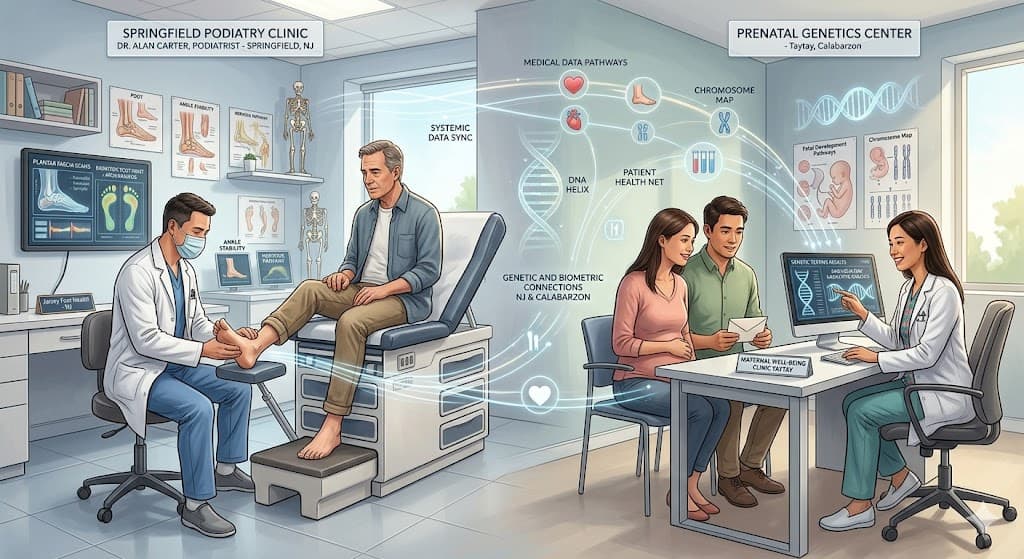
Many people visit a podiatrist because of heel pain, bunions, injuries, or mobility concerns. However, podiatrists are trained to recognize signs that may indicate broader health issues affecting the body. A podiatrist in Springfield, NJ may evaluate:
- Circulation and vascular health
- Nerve function and sensation
- Structural alignment and gait patterns
- Signs of diabetes-related complications
- Joint inflammation and arthritis symptoms
For example, changes in sensation or slow-healing wounds in the feet can sometimes be among the earliest indicators of diabetes. Abnormal walking patterns may reveal neurological or musculoskeletal issues that require further investigation.
This approach reflects an important principle of preventive medicine; small signs often provide valuable clues about larger health conditions. Detecting these clues early allows patients to seek treatment before problems become more severe.
Genetic Testing and Early Assessment during Pregnancy
Pregnancy care follows a similar preventive philosophy. Advances in prenatal medicine have made it possible to assess certain aspects of fetal health long before birth through genetic screening and diagnostic testing. Prenatal genetic testing may provide information about:
- Chromosomal abnormalities
- Certain inherited genetic conditions
- Potential developmental concerns
- Pregnancy risk factors that require closer monitoring
These tests do not predict every aspect of a child’s future health, but they can offer important information that helps healthcare providers and families make informed decisions.
Just as a podiatrist uses specialized examinations to detect potential concerns before symptoms worsen, prenatal specialists use screening tools to identify risks early enough for appropriate medical planning and support.
Prevention, Monitoring, and Patient Education
One of the strongest connections between podiatry and prenatal genetic testing is the emphasis on patient education. Detecting a potential issue is only the first step. Equally important is helping patients understand what the findings mean and what actions can be taken next. In podiatry, patients may receive guidance on:
- Footwear choices
- Exercise and mobility strategies
- Diabetes management practices
- Injury prevention techniques
In prenatal care, healthcare providers help expectant parents understand:
- Genetic screening results
- Follow-up testing options
- Pregnancy monitoring recommendations
- Available healthcare resources and support systems
Education empowers patients and families to participate actively in their healthcare decisions. Rather than feeling overwhelmed by uncertainty, they gain knowledge that helps them navigate the next steps with greater confidence.
The Future of Preventive Medicine
Healthcare continues to evolve toward earlier detection and personalized care.
Advances in diagnostic technology, genetic analysis, and data-driven medicine are making it possible to identify risks sooner than ever before.
Whether in podiatry or prenatal care, the future of medicine increasingly focuses on:
- Predictive screening tools
- Personalized treatment strategies
- Early intervention programs
- Improved patient outcomes through proactive care
A podiatrist identifying early signs of a systemic condition and a prenatal specialist evaluating fetal health both contribute to this broader vision of preventive healthcare. Their work highlights the importance of paying attention to early indicators and using available information to guide better health decisions.
Union of Podiatry and Prenatal Care
At first glance, podiatry and prenatal genetic testing may seem like entirely different areas of medicine. However, both are united by the principle of early detection. A podiatrist in Springfield, NJ looks for subtle signs that may reveal underlying health conditions, while prenatal genetic testing helps identify potential risks during pregnancy before birth.
In both cases, the objective is not simply diagnosis but preparation, prevention, and informed decision-making. By identifying concerns early and creating opportunities for timely intervention, healthcare professionals help improve outcomes and support long-term well-being.